
 See My Latest Article on HelloNation
Why Might Residents Need Towing in Slidell, LA?
Some drivers experience car trouble on local highways, in neighborhood streets, or even their own driveway. Incidents like sudden breakdowns, flat tires, lockouts, or minor accidents can happen to anyone. Because of the mix of busy interstates, frequent rainfall, and warm, humid winters, local vehicles are exposed to a variety of conditions that can sometimes result in needing a tow.
Where Can You Begin Searching for Towing Services?
To start, area residents often rely on these sources:
- Local law enforcement and public safety departments typically maintain lists of towing providers authorized for city or parish roads.
- Digital mapping tools and search engines offer up-to-date data, but it's important to check result details before calling.
- Word of mouth from friends, neighbors, or local social media groups can be a trusted resource for first-hand feedback.
It's common for area residents to feel unsure who to trust, especially when stranded or in urgent need. The right resource depends on the situation and the driver’s comfort with online research or community recommendations.
What Should You Look For in a Towing Service?
A few practical indicators help narrow your search for responsible and qualified local towing assistance:
- Clear business credentials, such as proof of insurance and visible pricing estimates. In Louisiana, reputable operators follow state and municipal requirements for towing and storage.
- Quick response times, particularly during severe summer storms or rare winter ice events.
- The ability to handle specific needs, such as roadside jumpstarts, flat tire changes, or extrication from ditches if you slide off residential roads during wet weather.
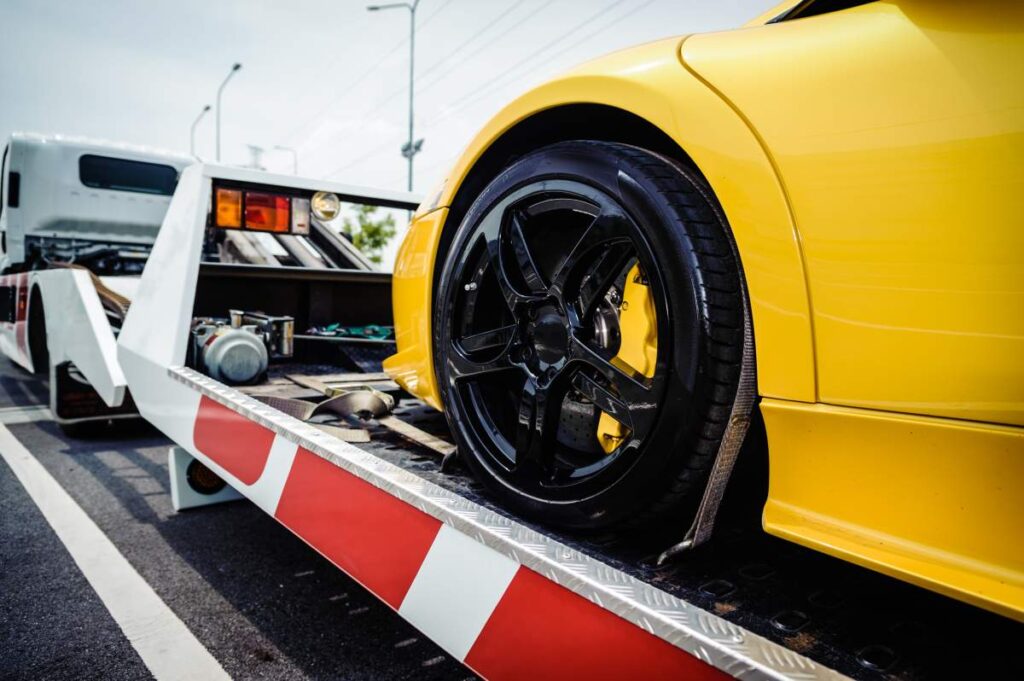
Drivers who need help on a highway or higher-speed road may require heavier-duty tow equipment. Where a vehicle is in a tight spot or a residential area, a standard flatbed or wheel-lift truck may be better suited.
How Do You Evaluate Safety and Reliability?
Start by reviewing recent customer experiences through public rating platforms—not just overall scores but reading a mix of recent positive and negative reviews. Factors specific to the city, such as knowledge of local road closures after storms or flood-prone neighborhoods, can be mentioned by local reviewers.
Always confirm that any towing professional asks for a legitimate identification and provides clear documentation, especially if your vehicle has been damaged. If approached by an unsolicited tow truck, be cautious: in this area, all legitimate tow drivers must be able to show their current credentials upon request.
What Kinds of Towing Situations Happen Locally?
Many residents face issues unique to the area’s infrastructure and climate. Common scenarios include:
- Needing a tow from a parking lot at a local shopping center after an unexpected dead battery.
- Getting stuck on a side street with standing water during hurricane season.
- Locking keys inside a running vehicle at home or work.
- Sliding off a road in a rare icy patch or after heavy rain, ending up stuck in soft ground.
Understanding that different weather events and local road conditions influence how and when towing is needed can help residents prepare for both common and less-expected scenarios.
Who Regulates Towing and Roadside Services?
Towing operations are governed by state laws and have local oversight for pricing, safety, and ethical practices. For example, only state-licensed and insured companies can tow vehicles after an accident or impound on public roads.
If there is a dispute about service or fees, city or parish consumer affairs offices, as well as the Louisiana Public Service Commission, may provide information or help mediate a solution. Some municipalities update their websites with current guidelines for residents on responding to unauthorized towing or retrieving vehicles from storage lots.

What Should You Do If You Need a Tow During Severe Weather?
Storms with heavy rain or occasional flooding sometimes lead to more requests for tow trucks. In such cases:
- Stay with your vehicle only if safe, and turn on hazard lights.
- Move to a safe spot if your car is in a dangerous traffic location, such as a low-visibility curve or busy street.
- Be prepared for longer wait times during extreme weather or after major events.
- Let a trusted family member or friend know your situation and location.
Rescue and towing providers prioritize emergencies with personal safety in mind, especially in hazardous or low-visibility situations.
Are There Common Misunderstandings About Towing Services?
Some area drivers believe towing is used only for accidents or abandoned cars. In fact, most towing requests involve roadside troubles like battery failures or minor stalls. Others think their auto insurance automatically covers all tow costs; it's best to know your coverage details before an incident.
Another misconception is that towing is always available instantly, but during busy periods—like summer storm events—wait times may be longer. Being aware of demand spikes helps set expectations.
How Can You Prepare for a Future Need?
Consider keeping these items in your vehicle:
- Current insurance details and emergency contact numbers.
- A phone charger and a flashlight, especially during the region’s frequent evening thunderstorms.
- Contact information for several local towing services, not just one.
- Any medical information or special instructions for rescue personnel if you have particular needs.
Preparation helps ease stress and ensures you have everything necessary if you find yourself facing a car issue requiring outside help.