
 See My Latest Article on HelloNation
What Does Towing Insurance Coverage Include?
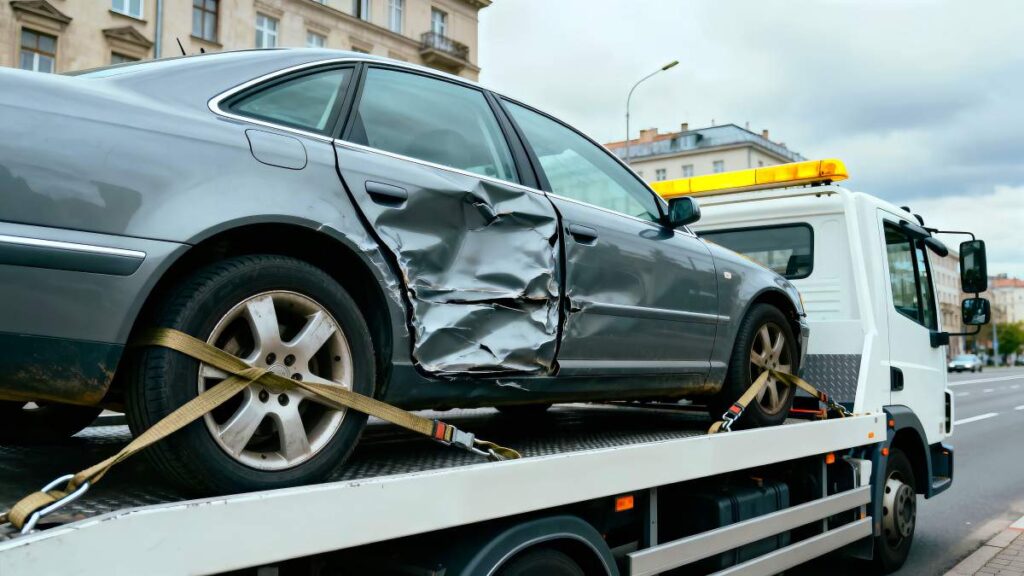
Towing insurance covers the costs associated with moving a disabled vehicle from where it breaks down to a repair shop or safe location. This type of coverage can either be a standalone policy or bundled with roadside assistance.
Coverage usually pays for basic towing services up to a set distance or dollar amount. It’s separate from collision and comprehensive policies, which generally do not cover towing.
For residents, towing insurance typically covers:
- Transporting a non-functional car due to mechanical failure, dead battery, or overheated engine
- Extracting a vehicle stuck in mud or water on local roads
- Limited mileage—policies often cap free towing at 5, 10, or 15 miles, with charges for anything beyond
- Emergency roadside help, such as jump-starts or tire changes, in some cases
Each insurance provider sets its own specifics, so policy details vary widely.
Are Towing Costs Automatically Covered by Car Insurance?
Most standard auto insurance plans do not automatically include towing. Instead, towing is usually an optional add-on known as "towing and labor coverage" or part of roadside assistance packages.
Local households commonly discover this after a breakdown. Unless towing was added to the policy at purchase or renewal, insurance generally does not reimburse these charges. It's easy to overlook this detail, as policy paperwork can be dense or confusing.
For example, if a family’s car stalls out during a summer trip home from shopping and they didn’t add towing coverage, the full cost of the tow will likely be out-of-pocket.
How Much Does Towing Insurance Cover?
Towing coverage often has strict limits. The most common is a maximum dollar amount per event—often ranging from $50 to $150—or a maximum towing distance. Exceeding these limits means drivers pay extra at the time of service.
A typical local policy might only pay for the first 10 miles. If the nearest repair shop is farther, the driver would need to pay the extra mileage out of pocket.
Also important: Certain towing coverage is only valid if the breakdown occurs on public roads, which may exclude driveways or remote campgrounds around the region.
Why Do Local Residents Add Towing Coverage?
Slidell experiences frequent thunderstorms, high humidity, and summer heat, all of which strain vehicle batteries and cooling systems. Flood-prone streets and rural roads can increase the likelihood of breakdowns or getting stuck. Many households use their cars for daily commuting, errands, or school drop-offs, making reliability crucial.
Adding towing protection gives peace of mind by preventing unexpected, possibly high towing fees—especially during heavy rain or hard-to-reach locations. For some, it’s the convenience of not needing to find or negotiate with a towing service if a vehicle won’t start after a night storm or on the way back from one of the area’s public parks.
What Should Residents Look for in a Towing Insurance Policy?
Residents should read policy details carefully to confirm:
- Coverage area—sometimes assistance is only provided within certain distances of major roads or urban centers
- Whether towing applies if you’re a passenger in a friend’s or family member’s car or only when driving your own vehicle
- The number of service calls allowed per year
- Whether lockout, fuel delivery, and minor roadside repairs are included, or if those will cost extra
Often, these small details become critical when a breakdown actually happens, like on a side street after a sudden rain—a situation residents know can lead to extended wait times.
How Do Insurers Decide What’s Covered?
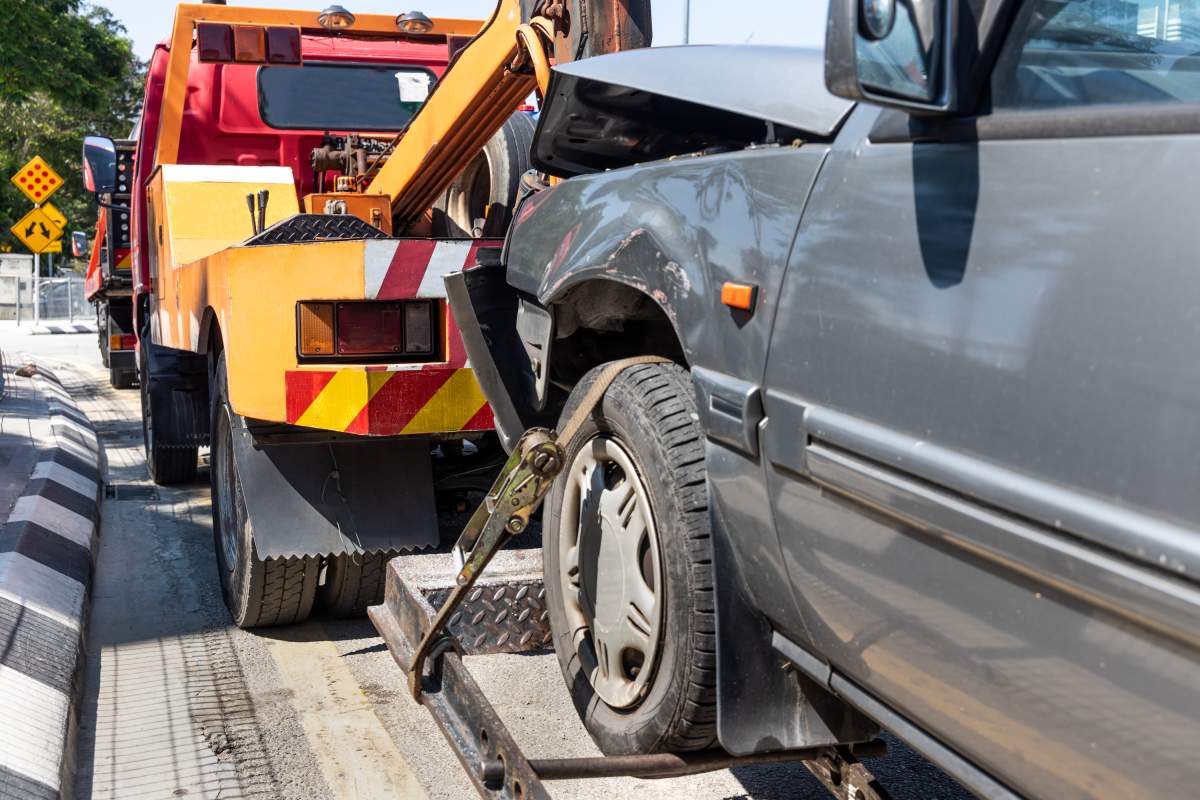
Policies typically differentiate between causes they’ll cover (mechanical breakdown, battery failure, flat tire) and those they won’t (collision damage, illegal parking tows). If an accident results in a police-requested impound, standard towing insurance likely will not reimburse that cost.
Additionally, some policies do not pay if the vehicle is unregistered or known to have pre-existing problems. Insurers may also deny claims if the vehicle is used for commercial purposes, such as rideshare driving, unless a specific add-on is purchased.
Are There Alternatives to Adding Towing Coverage?
For drivers who prefer flexibility, options include:
- Membership in a motor club that provides roadside and towing assistance
- Paying out-of-pocket when an emergency arises—though fees can range from $75 to $200 or more locally, especially if a long-distance tow or after-hours response is needed
- Adding towing to only one family vehicle (like the most used car) to balance cost and coverage
Comparing the frequency of breakdowns in the area and individual travel habits helps determine if annual coverage or pay-per-use makes sense.
Common Misconceptions About Towing Insurance
Many assume every type of car insurance will automatically pay for towing after an accident or breakdown. In reality, unless towing is either bundled in a roadside assistance plan or specifically added, insurance is unlikely to cover these expenses. Others believe unlimited towing is standard, when most policies have tight restrictions.
Another frequent misunderstanding: Some drivers think towing insurance covers towing after wrecks caused by weather, but accident-related tows typically fall under collision insurance, not towing coverage. Reading exclusions is essential to avoid surprises during hurricane season or after unexpected flash flooding.
What Local Conditions Can Impact Towing Insurance Needs?
The area’s weather, traffic congestion, and road types all play a part. Prolonged rain and localized flooding can strand vehicles, making reliable towing more important. Older vehicles or those parked outside face higher breakdown risks due to heat and humidity. Certain rural roads may require more specialized recovery vehicles, which may not be covered under basic policies.
Residents who regularly drive long distances for work or leisure may want higher mileage allowances than someone who stays close to home.
How to Check If You Already Have Towing Insurance
Many residents are uncertain whether their existing policy includes towing protection. To check, review the declarations page of your auto insurance policy or access your account online, where all add-ons and coverage types are generally listed. Checking for terms like "roadside assistance," "towing and labor," or similar language can clarify what’s currently in place.
For a clear understanding, consider documenting coverage specifics somewhere easily accessible, so details are handy before the next flat tire or overheated engine happens on a hot summer day.