
 See My Latest Article on HelloNation
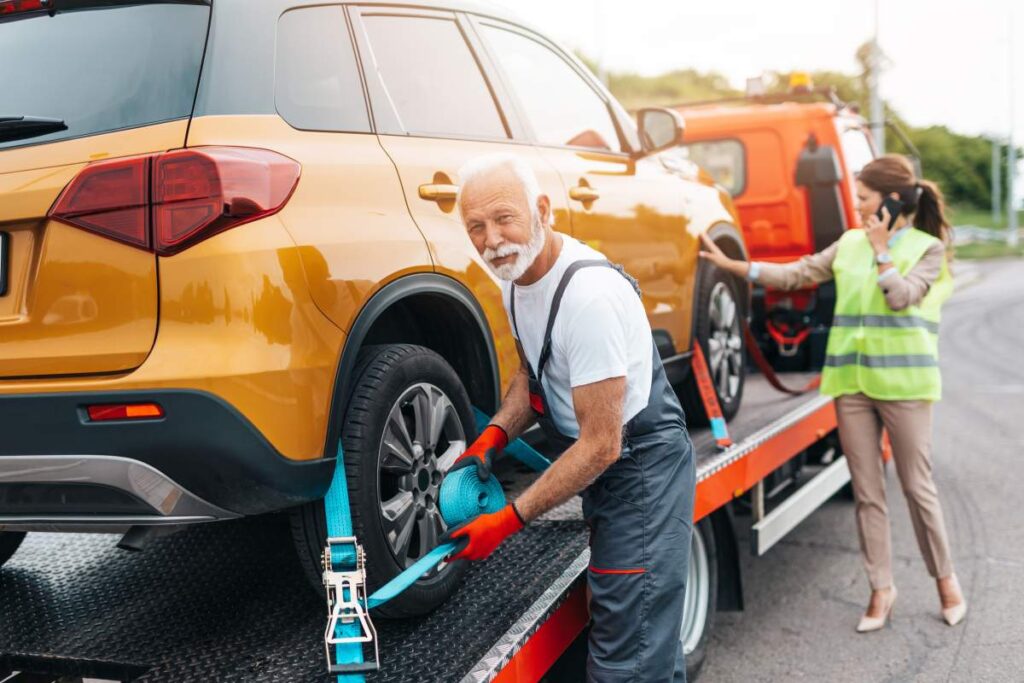
Roadside assistance is a set of emergency services that helps drivers deal with common vehicle problems when a car, truck, or motorcycle cannot safely continue. It may include jump-starts, flat-tire help, fuel delivery, lockout assistance, winching, and towing.
For residents of Slidell, LA, understanding how roadside assistance works can make a stressful breakdown more manageable. The process usually involves assessing the situation, arranging the appropriate type of help, protecting the scene, and deciding whether the vehicle can be repaired where it stopped or must be moved.
What does roadside assistance include?
Roadside assistance covers problems that happen while a vehicle is parked, stopped, or being driven. The exact services vary by membership plan, insurance policy, vehicle warranty, or service arrangement, but common forms of help include:
- Battery jump-starts: Used when a vehicle will not start because the battery is discharged.
- Flat-tire assistance: Help changing a tire when the vehicle has a usable spare. If there is no spare or the wheel is damaged, towing may be necessary.
- Fuel delivery: A limited amount of fuel may be brought to a stranded vehicle. The driver may still be responsible for the fuel cost.
- Vehicle lockout service: Assistance may be available if keys are locked inside the vehicle. Modern vehicles may require specialized tools or procedures.
- Winching: A vehicle that is stuck in mud, sand, shallow water, or a soft shoulder may be pulled back onto a stable surface.
- Towing: A disabled or unsafe vehicle can be moved to a repair facility, residence, or another permitted destination.
Roadside assistance is not the same as a full mechanical repair service. A technician may be able to replace a battery, inflate a tire, or help restart a vehicle, but major engine, transmission, electrical, or collision damage generally requires further repair.
How does the process work?
The process generally begins when the driver requests help through an automobile club, insurance provider, vehicle manufacturer, warranty program, or another roadside assistance arrangement. The dispatcher will ask for information about the vehicle and its location.
Useful details include:
- The exact location, such as a street, highway, parking area, or nearby landmark
- The direction of travel and nearest exit when stopped along a divided roadway
- The vehicle’s make, model, color, and license plate information
- The type of problem, such as a dead battery, flat tire, or collision
- Whether anyone is injured, trapped, or in immediate danger
- Whether the vehicle is blocking a traffic lane
After reviewing the situation, the dispatcher determines what kind of response is appropriate. A jump-start vehicle, tire-service vehicle, tow truck, or recovery vehicle may be sent depending on the circumstances.
Response times vary. Traffic, weather, distance, road congestion, the number of available vehicles, and the severity of other emergencies can all affect how long assistance takes. A roadside request involving a vehicle in an active travel lane may receive different priority from a non-urgent request in a driveway.
What should a driver do while waiting?
Safety should come before protecting the vehicle or searching for the cause of the problem. If the vehicle is still operable, move it as far away from traffic as possible. Turn on the hazard lights and keep the wheels pointed away from moving traffic when stopped on a shoulder.
Drivers should remain inside the vehicle when leaving it would create additional danger. If the vehicle is in a safe location, stay visible to the responding crew while avoiding traffic lanes and narrow shoulders.
If exiting is necessary, use the side away from traffic when possible. Keep children and pets away from the roadway. At night, interior lights, hazard lights, or reflective items may help other drivers see the vehicle, but standing directly behind or in front of it can be dangerous.
A disabled vehicle in a travel lane, a crash involving injuries, smoke, fire, leaking fuel, or a dangerous roadway position may require emergency assistance before ordinary roadside service is requested.
How is towing handled?
Towing begins with determining how the vehicle can be moved without causing additional damage. The tow operator may use a wheel-lift system, a flatbed, a winch, or another method suited to the vehicle and conditions.
The vehicle’s drive system matters. All-wheel-drive, four-wheel-drive, electric, hybrid, lowered, modified, or heavily damaged vehicles may require special handling. Improper towing can damage tires, suspension components, drivetrains, bumpers, or underbody equipment.
Before the vehicle is moved, the driver should remove valuables and document existing damage with photographs when it is safe to do so. The intended destination should also be confirmed. A tow may be arranged to a repair location, a residence, a storage facility, or another approved place, depending on the coverage or circumstances.
After a collision, the vehicle may be unsafe to drive even if it starts. Bent wheels, fluid leaks, deployed airbags, damaged steering parts, and hidden suspension damage are reasons not to continue driving.
How do local conditions affect roadside emergencies?
Weather and road conditions can change the risk of a breakdown. In a warm, humid environment, heat can place additional stress on batteries, cooling systems, belts, tires, and air-conditioning components. Heavy rain can reduce visibility, create standing water, and make a soft shoulder unstable.
Seasonal storms may also bring flooding, fallen branches, debris, power outages, and temporary road restrictions. A vehicle that appears only lightly stuck may be at risk of deeper water or shifting ground. Drivers should not attempt to cross floodwater when the depth, current, or condition of the road cannot be judged safely.
Residential streets, apartment areas, shopping-area parking lots, and major travel routes may each require different access for a tow vehicle. Providing an accurate location and noting narrow entrances, gates, steep driveways, or underground parking areas can help prevent delays.
What does roadside assistance usually not cover?
Coverage limitations are common. A plan may restrict the number of service calls, towing distance, destinations, fuel amounts, or types of vehicles covered. Some plans exclude commercial use, off-road recovery, repeated requests for the same problem, or assistance after certain types of damage.
Roadside assistance may also exclude repair costs, replacement parts, new tires, fuel purchases, storage fees, impound charges, tolls, or labor beyond the covered service. A driver should review the applicable policy or membership terms before an emergency occurs.
A roadside plan also does not replace regular maintenance. Battery testing, tire inspections, fluid checks, and timely repairs can reduce the likelihood of needing emergency help.
What should be kept in a vehicle emergency kit?
A practical emergency kit can help while waiting and may resolve minor problems. Useful items include:
- A flashlight with spare batteries
- Reflective triangles or flares approved for roadside use
- A phone charger or backup battery
- Drinking water
- Basic first-aid supplies
- Work gloves
- A tire-pressure gauge
- A properly inflated spare tire and usable jack
- Rain protection and seasonal clothing
- A written list of emergency contacts and relevant vehicle information
Drivers should know where the spare tire, jack, wheel-lock key, tow hooks, and vehicle owner’s manual are located. Some newer vehicles do not include a traditional spare tire, so checking this before a flat occurs is especially useful.
What is the difference between roadside assistance and emergency services?
Roadside assistance handles vehicle problems, while emergency services respond to immediate threats to life, safety, or public property. A crash with injuries, a fire, a person trapped inside a vehicle, a vehicle stopped in an active lane, or a suspected fuel leak may require emergency response first.
A driver should describe the situation accurately rather than assuming every problem is routine. Clear information helps ensure that the appropriate type of assistance is sent and reduces the risk of waiting for a service that is not equipped to handle the danger.