

 See My Latest Article on HelloNation

How Much Does Towing Cost in Slidell, LA?
Towing prices in Slidell, LA are shaped by several local and practical factors. Residents often want to know a clear estimate before calling for help. While there’s no single flat fee, most local tows within the city’s limits typically range from $75 to $125 for standard vehicles under normal circumstances. This includes the initial hookup fee and a limited mileage allowance, but more complex scenarios or longer distances can increase the price.
Why Do Towing Rates Vary So Much?
The range in towing prices is due to a mix of distance, circumstances, timing, and vehicle needs. Many area households are surprised to learn how much these details affect the bottom line. Here’s a breakdown:
- Distance: Tows within Slidell may fall under a local minimum, but rates usually rise for every mile beyond the included distance (commonly 5–10 miles).
- Vehicle Type and Size: Compact cars are less expensive to tow than heavy-duty SUVs, pickups, or RVs due to the equipment and effort required.
- Conditions and Complications: If a vehicle is stuck in mud after a rainstorm or needs extra effort to load, expect additional charges.
- Time of Day: After-hours, weekends, and holidays often include higher rates or surcharges, reflecting local demand and staffing.
- Specialty Services: Winch-outs, lockouts, tire changes, and flatbed requests cost extra; these aren’t always bundled with basic towing.
What’s Included in a Typical Tow Bill?
A standard tow charge within the city usually covers:
- The dispatch and hookup fee
- Towing the first 5–10 miles
- Safe transport of the vehicle to a local destination
Extras, which are itemized on most final bills, include additional mileage, specialty care (like 4×4 recovery), or delays if the vehicle can’t be accessed immediately. Residents sometimes overlook storage fees if a vehicle ends up at a local lot overnight; these can add $20–$50 per day.
How Does Weather and Geography in Slidell Affect Towing Prices?
In Slidell, rainstorms and occasional high water in low-lying areas can complicate recovery, sometimes raising costs if a standard tow won’t work. Slippery roads, ditches alongside rural streets, or vehicles stuck in mud after storms may need special attention. Local towing operators also factor in the potential wear on equipment caused by humidity and salt in the air, which can influence long-term overhead reflected in pricing.
Are There Cheaper or More Expensive Times to Get Towed?
Yes—rates often differ depending on when you need help. Standard business hours generally offer the lowest rates. If you need towing late at night, on weekends, or during holidays (especially after summer storms or events), an “after-hours” surcharge is common. This can add $25–$50 to the base price—something area residents may not expect unless they’ve faced a breakdown outside regular times.
What Does Insurance Cover for Towing in Slidell?
Many local drivers carry roadside assistance through their insurance, which may reimburse all or part of a basic tow. Coverage details vary widely; some plans have limits on mileage (commonly up to 15–20 miles), the number of tows per year, or maximum benefit per event.
- Some policies cover only specific scenarios (like breakdowns), not driver error (like running out of gas).
- Not every policy includes towing—drivers often assume “roadside” means every type of incident, but towing is not always automatic.
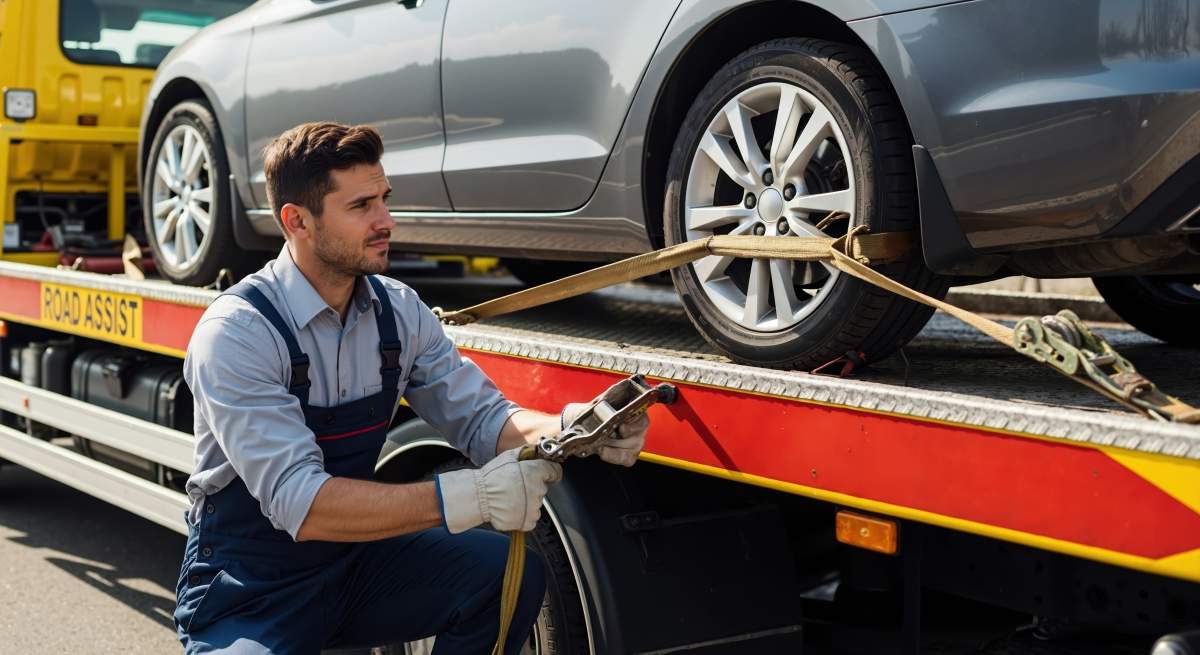
Before assuming a tow will be fully reimbursed, area households should check what their policy actually covers and how payment/reimbursement is handled.
What About Police-Ordered or Private Property Tows?
If a vehicle is towed due to being parked illegally or at the request of law enforcement, costs tend to be higher than a voluntary tow. Storage fees begin accruing immediately, and retrieval can require paying administrative charges along with the tow and storage bill. In these cases, charges are not ordinarily negotiable, and individuals must pay in full to retrieve their vehicle.
Are There Ways to Estimate the Cost Before Needing a Tow?
The most accurate way to estimate local towing expenses is to know:
- The pickup and drop-off locations (for distance)
- The type of vehicle
- Any known complications (locked, off-road, flat tire, etc.)
- The time of day the service will be needed
A standard sedan retrieved during daylight weekday hours for a short haul within city limits is usually toward the low end of the price range. Extra factors, like needing winching from a ditch after a summer thunderstorm, move costs higher. Residents can also keep track of local towing companies’ posted rates online for a ballpark figure, but final charges can differ based on actual needs.
Common Misconceptions About Towing Costs
Many locals believe that all tows cost the same, or that charges are strictly regulated. In practice, rates are influenced by industry norms, local expenses, and competitive dynamics—so there can be significant variation from one provider to another, especially during high-demand periods like weather events.
Another misconception is that insurance always covers the entire bill, which is only true with certain types of coverage. Area drivers should also be aware that basic towing rarely includes extensive clean-up or passenger transport.
How Can Residents Prepare for Unexpected Towing Needs?
Leaving a spare key with a trusted neighbor, knowing your insurance policy’s details, and keeping a list of emergency contacts can help minimize stress and costs if towing is ever needed. Being aware of standard local rates and understanding what influences higher charges helps residents avoid surprises and make informed decisions during emergencies.