

 See My Latest Article on HelloNation
What Are the Main Differences Between Flatbed and Wheel-Lift Towing?
Flatbed and wheel-lift towing are two common methods used to move disabled or damaged vehicles, but they work in fundamentally different ways. Flatbed towing lifts the entire vehicle onto a broad, level platform, while wheel-lift towing secures only two wheels (typically the front or rear) and tows the vehicle with the remaining wheels on the ground.
Locally, both options are used depending on the vehicle type, situation, and road conditions. Each method offers advantages and limitations that may impact your choice in an area like Slidell, where weather, traffic, and variety of vehicles on the road all play a part.
How Does Flatbed Towing Work and When Is It Preferred?
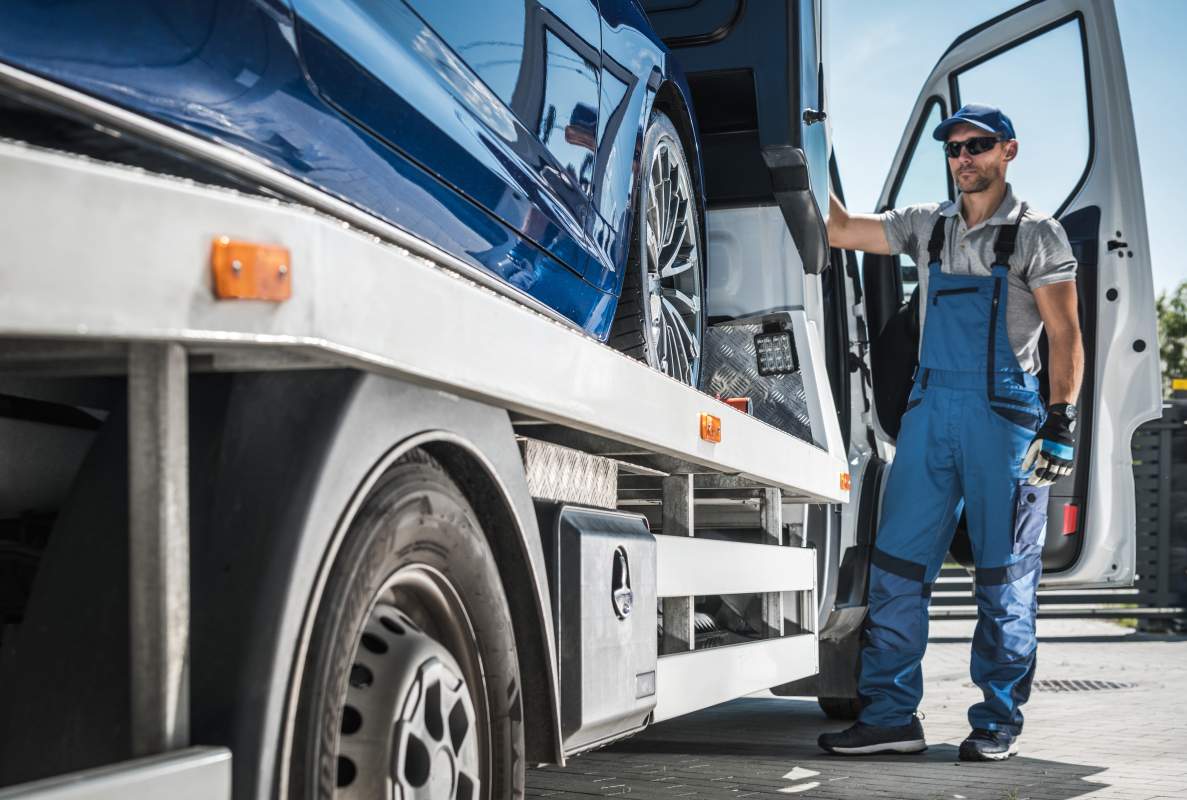
Flatbed towing involves hydraulically tilting a wide, flat platform to ground level, rolling or winching the vehicle onto the bed, and securing it for transport. The entire vehicle rides on top, off the pavement.
This method is generally chosen when:
- The car is badly damaged, especially in the suspension or transmission
- All-wheel-drive or four-wheel-drive vehicles need towing (to prevent drive-train damage)
- Luxury, vintage, or low-clearance vehicles require careful handling
- Severe weather or flooding leaves a car immobile, minimizing road contact
In the local context, with heavy rain and occasional street flooding, flatbeds are often used for cars stranded in deep water or mud. This approach keeps the underside safe from further exposure and avoids dragging non-functional wheels through debris or water.
What Is Wheel-Lift Towing and When Is It Used?
Wheel-lift towing uses a metal yoke that slides under either the front or rear wheels, lifting them off the ground while the other two wheels roll behind. The yoke attaches securely, allowing quick hookup even in tight parking lots or along busy roads.
Area residents might see wheel-lift towing in these situations:
- Parallel parked cars or tight access spots, as the method is more maneuverable
- Shorter distances, typical for roadside assistance or quick-moving traffic incidents
- Cars with at least two freely rolling wheels, like after a minor breakdown or flat tire
For vehicles with front-wheel-drive, wheel-lift towing often raises the driven wheels, keeping the transmission safe. For rear-wheel-drive, the rear wheels are lifted. The method isn’t usually recommended when all four wheels are immobile, or the vehicle has significant axle or suspension issues.
What Are the Specific Pros and Cons for Local Residents?
Both solutions fit different local scenarios, and the choice sometimes comes down to practicality, speed, and what’s safest for the vehicle.
Flatbed Pros:
- Best option for preventing further damage, crucial after severe collisions or for specialty cars
- No risk of drivetrain wear or tire damage
- Safer for long-distance towing through city streets or on the interstate
Flatbed Cons:
- Requires more space to load—narrow driveways or alleys may be difficult
- Takes extra time to prepare and secure the vehicle for transport
Wheel-Lift Pros:
- Fits into confined spaces common in residential areas and some shopping centers
- Generally quicker for simple breakdowns or accident clearance
- Equipment is less bulky, helpful on busy streets where speed and agility matter
Wheel-Lift Cons:
- Potential for extra wear or minor scuffing on towed wheels or bumper
- Not ideal for AWD, 4WD, or vehicles with non-rolling tires
- Less protection against road debris or additional hazards
Can Any Vehicle Be Towed With Either Method?
Not every vehicle or situation is a match for both methods. Most passenger cars can be safely towed with a flatbed, but some may be well suited for wheel-lift if in working condition. Heavier trucks, lifted SUVs, or vehicles with aftermarket modifications may require special attachments or a flatbed for safe transport.
Local drivers with all-wheel-drive vehicles, especially common on wet or unpaved roads, should keep in mind that wheel-lift towing can damage the drivetrain unless the vehicle’s manual explicitly allows for it. Motorcycles, low ground-clearance sports cars, or vehicles with locked wheels almost always require a flatbed.
What Factors Affect the Choice Between the Two in Slidell?
Weather, location, and road specifics often play a role in which towing method a service uses.
- Narrow city blocks or apartment complexes may favor wheel-lift equipment for better navigation
- After heavy rains or street flooding, flatbeds are generally safer to avoid further vehicle exposure to water and debris
- For highway incidents, especially at higher speeds, flatbed towing is often safer for everyone on the roadway
Emergency responders in the area sometimes direct tow trucks to choose a method based on traffic flow and accident location to clear scenes quickly without risking more damage.
Is One Type of Towing More Expensive or Faster?
Costs and speed can differ, but not always predictably. Flatbed towing usually involves more time, labor, and positioning, increasing price slightly in some situations. Wheel-lift towing is faster for minor recoveries, which can help lower labor charges—especially during high-demand periods or in low-traffic situations.
However, skimping on quality just to save money in the short term sometimes leads to vehicle damage and higher long-term repair costs, particularly with all-wheel-drive vehicles or those with extensive damage.
Are There Common Misconceptions About Towing Methods?
Many residents worry that wheel-lift towing always causes vehicle damage, but modern equipment is designed to minimize this risk. Properly trained operators avoid scraping bumpers and ensure wheels are firmly secured and elevated.
Another misconception is that all tow trucks can handle every vehicle. Specialty vehicles, heavy-duty trucks, or cars stuck off-road may require unique solutions beyond standard flatbed or wheel-lift options.
Finally, while some believe tow trucks always pick the fastest solution, reputable providers in the city tend to assess road safety, vehicle condition, and local regulations before deciding on flatbed or wheel-lift towing.