
 See My Latest Article on HelloNation
A car accident can leave people shaken, confused, or unsure what to do first. The safest approach is to handle the situation in order: protect people from further harm, notify the proper authorities, document the scene, and avoid driving a vehicle that may no longer be safe.
What should you do immediately after a crash?
First, stop the vehicle, turn on the hazard lights, and check whether anyone is injured. If there is a serious injury, danger from traffic, fire, smoke, leaking fuel, or another urgent hazard, call 911.
If the vehicles can be moved safely, move them out of active traffic and onto a shoulder, nearby lot, or other secure area. Do not stand in a travel lane to exchange information. If moving a vehicle would worsen an injury or create another danger, remain where you are and wait for emergency responders.
Louisiana law requires drivers involved in a crash causing injury, death, or property damage above the statutory threshold to immediately notify the appropriate law enforcement agency. Within an incorporated city or town, that generally means the local police department. ([legis.la.gov](https://legis.la.gov/legis/Law.aspx?d=88361&utm_source=openai))
Do not argue about fault at the scene. Keep statements limited to facts, such as where the vehicles were traveling and whether anyone needs medical help.
Should you move the vehicles after a collision?
Move the vehicles only when it is safe and practical. A vehicle that is blocking traffic, leaking fluids, or creating a risk of another collision may need to be relocated quickly, but safety comes first.
On major state and federal roadways, Louisiana law allows law enforcement or someone acting at an officer’s direction to remove damaged vehicles, cargo, or debris that obstructs traffic or creates a hazard. ([legis.la.gov](https://www.legis.la.gov/legis/Law.aspx?d=918934&utm_source=openai))
Before moving a vehicle, take a few quick photographs if doing so does not expose anyone to traffic. Capture the overall position of the vehicles, lane markings, traffic signs, visible damage, and nearby road conditions. If the scene is dangerous, leave the documentation to law enforcement.
What information should drivers exchange?
Each driver should provide basic identifying and insurance information. Write it down rather than relying only on memory or a photograph of a document.
Collect:
- Full name and contact information
- Driver’s license information
- Vehicle make, model, color, and license plate number
- Insurance company and policy information
- Names and contact details for passengers or witnesses
- The responding agency and incident or report number, if available
Avoid photographing sensitive documents beyond what is necessary. Keep records secure, especially if they contain addresses, policy numbers, or other personal information.
If the other driver refuses to provide information, appears impaired, becomes threatening, or attempts to leave, do not pursue the vehicle. Tell law enforcement what happened and provide the vehicle description, license plate, direction of travel, and any available photographs.
What should you photograph at the scene?
Photos can help preserve details that may be difficult to remember later. Take wide images first, followed by closer views of damage.
Useful photographs may include:
- All sides of each involved vehicle
- The point of impact and loose or broken parts
- Tire marks, debris, fluid leaks, and broken glass
- Traffic signals, signs, lane markings, and nearby intersections
- Weather, standing water, glare, poor visibility, or roadway damage
- The interior if airbags deployed or warning lights appeared
In Slidell, changing weather can affect road conditions. Heavy rain, ponding water, glare, and reduced visibility may matter when documenting what the roadway looked like at the time of the collision. Do not enter standing water or walk into traffic to obtain a photograph.
When should you request a tow?
A vehicle should not be driven after a crash if it has damaged steering, suspension, brakes, tires, lights, fluid systems, doors, or safety equipment. Warning lights, a strong fuel smell, overheating, smoke, or a vehicle that pulls to one side are also reasons to leave it parked.
A tow may be necessary when:
- The vehicle cannot move under its own power
- It is blocking a travel lane or creating a hazard
- A wheel, axle, bumper, hood, or door is loose
- Airbags deployed or seat belts no longer function normally
- Fluids are leaking
- Visibility is obstructed
- Law enforcement directs that it be removed
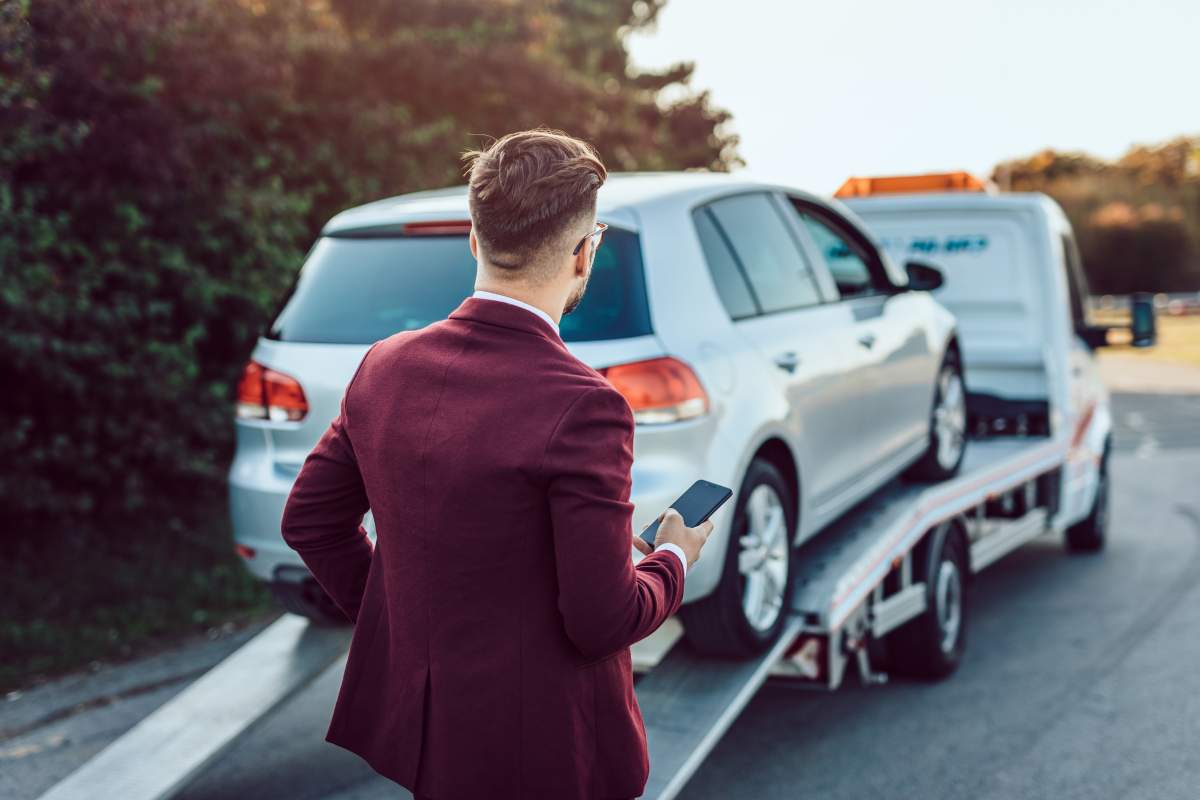
Do not attempt to drive a damaged vehicle simply because it starts. A collision can damage components that are not visible from outside. On wet roads, a minor steering or tire problem can become more dangerous because traction is already reduced.
Before the vehicle is taken, remove essential belongings and document its condition. Ask where it is being taken, how to retrieve personal property, and what information is needed to release it. Keep receipts and records related to towing, storage, repairs, medical care, and transportation.
What medical steps should you take?
Some injuries are obvious, but pain and stiffness may appear hours later. Seek prompt medical attention for head impact, loss of consciousness, confusion, severe headache, neck or back pain, numbness, weakness, chest pain, abdominal pain, trouble breathing, or unusual dizziness.
Children, older adults, and people with existing medical conditions may need extra attention even after a seemingly minor collision. Do not refuse emergency evaluation solely because the vehicles have limited visible damage.
Follow-up care should be documented. Keep copies of medical records, prescriptions, discharge instructions, and dates of missed work or other accident-related expenses.
What should you do after leaving the scene?
Notify your insurance company as soon as reasonably possible and provide accurate facts. Avoid guessing about speed, distance, or fault. Do not make promises about paying for another person’s repairs, and do not sign documents you do not understand.
Create a written timeline while the events are fresh. Include:
- Approximate time and location
- Direction of travel
- Traffic, weather, and road conditions
- What happened immediately before impact
- Statements made by drivers or witnesses
- Police, medical, and towing details
- Symptoms that appeared later
Louisiana crash-reporting rules can depend on the circumstances and the amount of injury or property damage. The state law requires immediate notice to the appropriate law enforcement agency for crashes involving injury, death, or property damage exceeding the listed threshold. ([legis.la.gov](https://legis.la.gov/legis/Law.aspx?d=88361&utm_source=openai)) If the situation is unclear, reporting the crash and preserving documentation is generally safer than assuming a report is unnecessary.
What should you keep in an emergency vehicle kit?
A small kit can help after a collision, particularly during heavy rain, nighttime travel, or periods of reduced visibility. Useful items include a charged phone, charging cable, flashlight, reflective clothing or warning device, first-aid supplies, drinking water, a pen, and an insurance information card.
Keep the kit where it can be reached without entering moving traffic. Do not place warning devices in a roadway unless it can be done safely. If conditions are unsafe, remain inside the vehicle with the seat belt fastened and follow emergency instructions.
The priorities after a crash are straightforward: protect people, alert authorities, document what happened, and prevent an unsafe vehicle from returning to the road.